Project Process
How does a concept become a completed project? It starts with your vision and ends with quality construction, supported by clear communication and detailed architectural documentation every step of the way.
Below is an overview of our design and development process at Arbor South. To show you how it works in practice, we’re following a recent project from initial consultation to final photography. While this case study highlights a custom residence, we apply the exact same structured, collaborative process to all of our commercial projects.
Site Survey
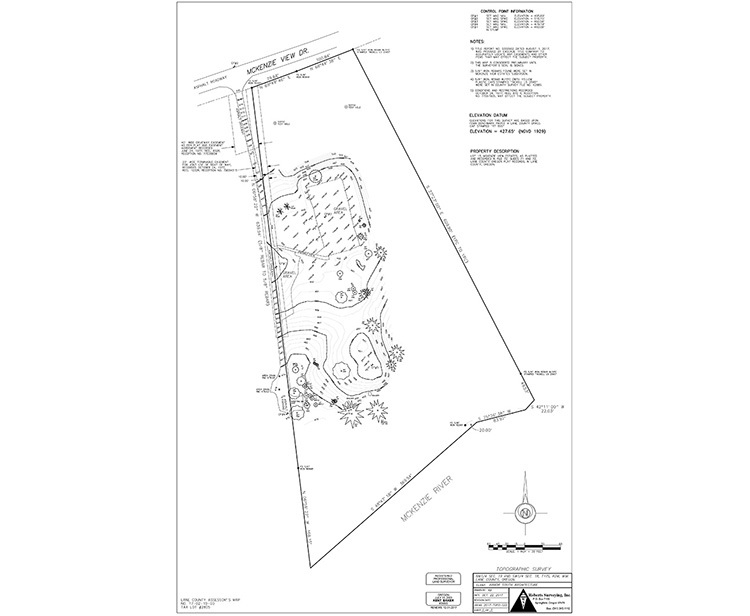
Before design begins, we establish exact site dimensions and topography. Even minor slope variation directly impacts foundation design, site grading, and structural detailing. While property surveys are the responsibility of the Owner, our team can connect you with trusted local surveyors to get your project started on solid ground.
Site Analysis
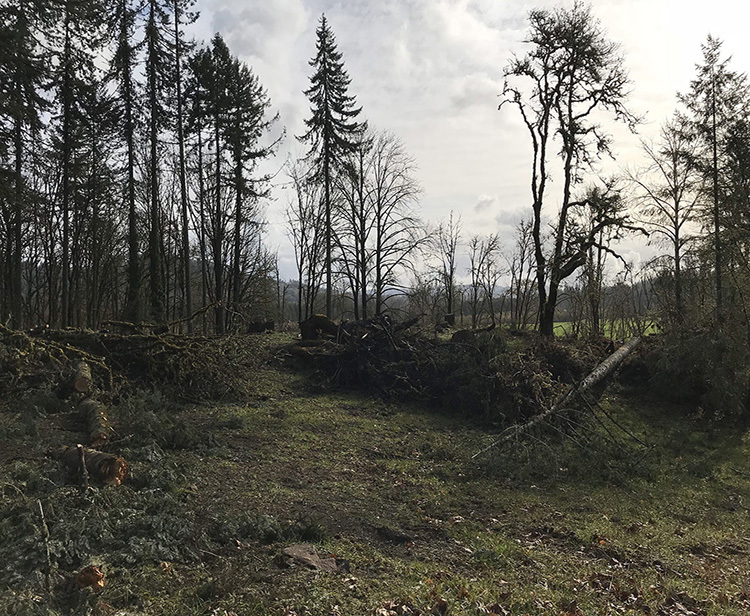
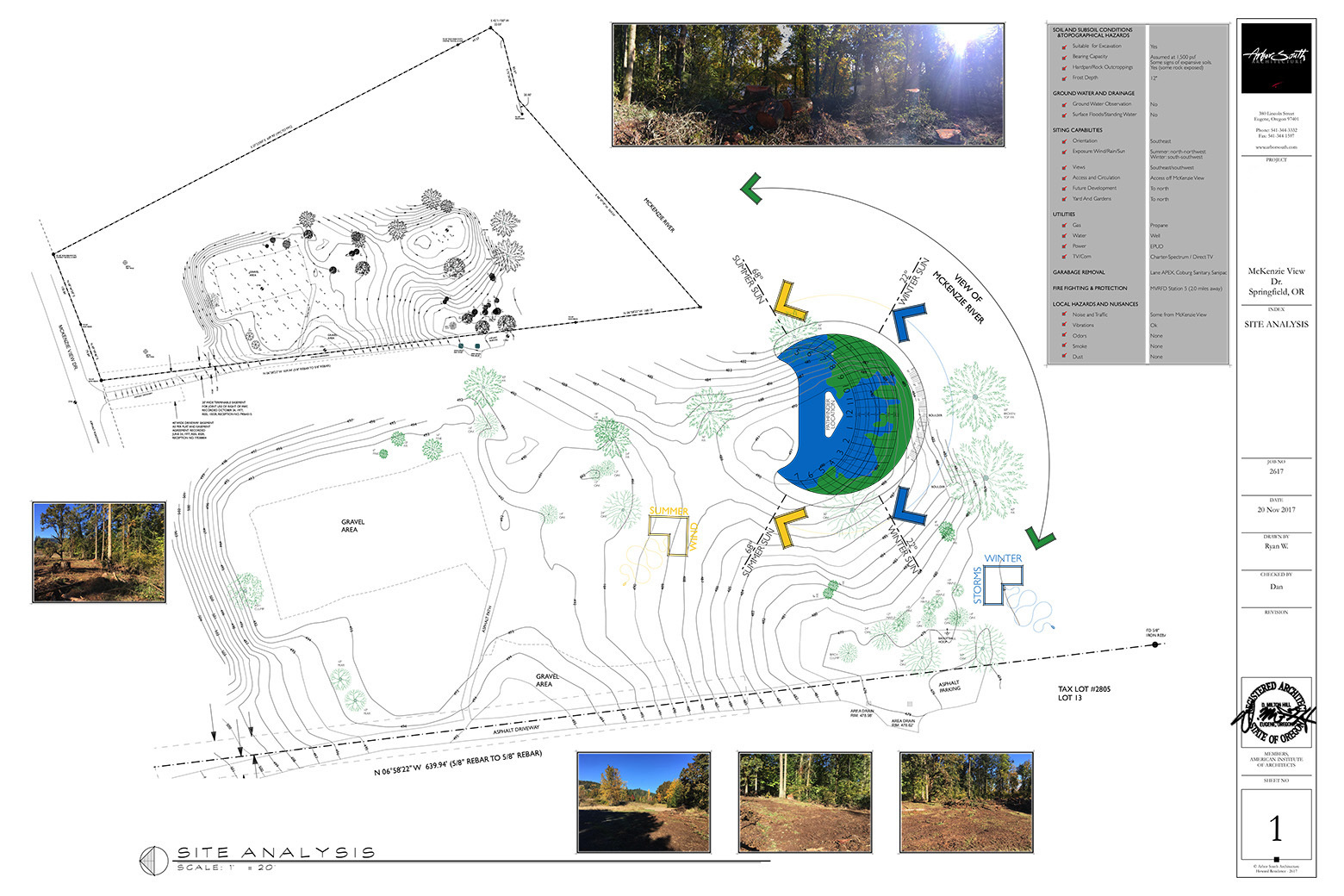
We walk, observe, and study your site to identify the optimal location for your new building. By analyzing sun orientation, prevailing weather patterns, sight lines, and natural features, we ensure the surrounding environment directly informs the design. During this phase, we also evaluate site topography, review known easements and infrastructure, and coordinate with a geotechnical engineer to confirm the ground is structurally sound for new construction.
Schematic Design
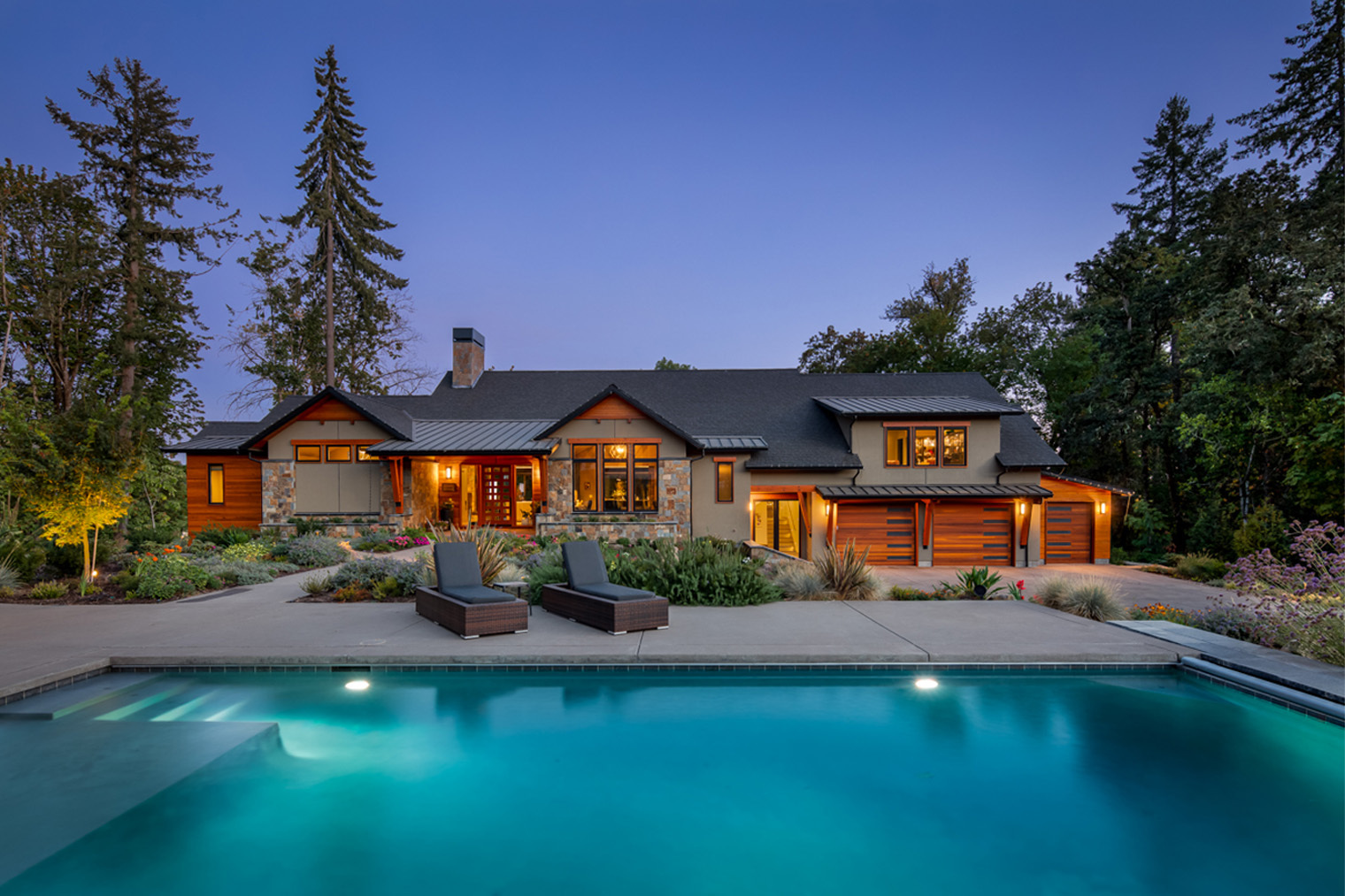
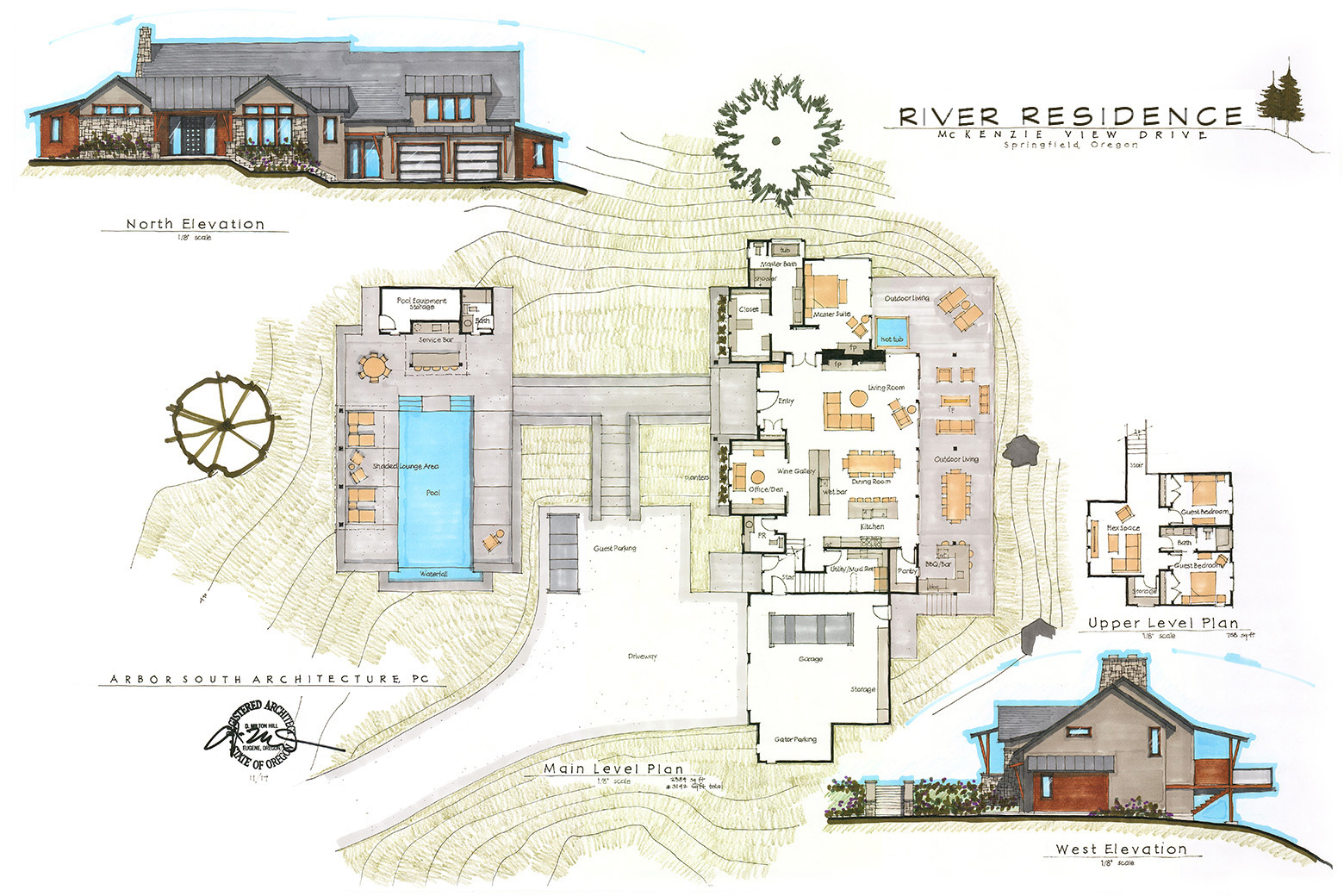
After studying your site and reviewing your goals, budget, and timeline, we craft an initial schematic design to bring your vision into focus. You'll review this first concept and share feedback, allowing us to refine the design to align with your needs and preferences. The goal of this phase is to establish a clear, cohesive direction for your project before jumping into the details.
Design Development
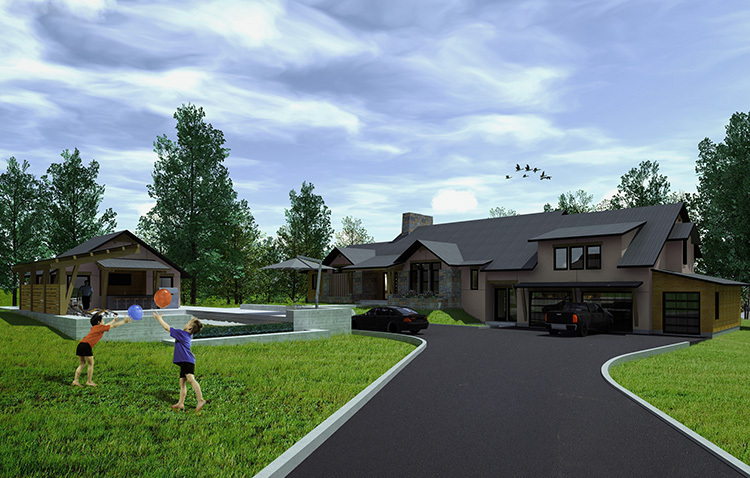
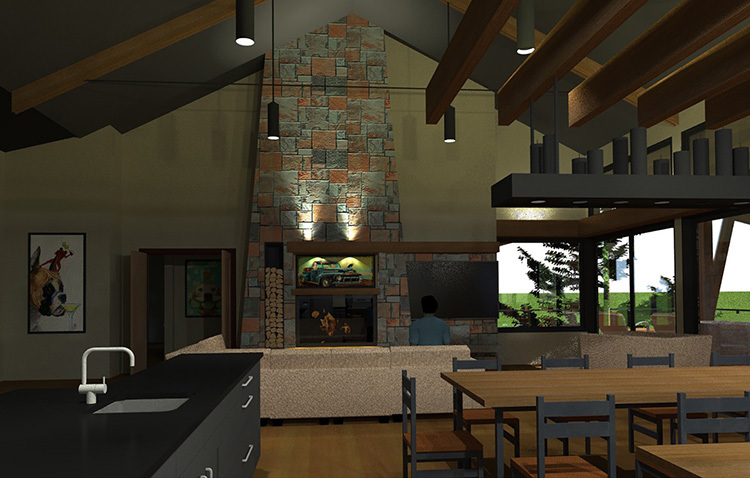
With the initial design approved, we begin refining the details and building a 3D model of your project. Through a series of collaborative meetings, we'll work together to select finishes, space-plan every room, and engage the structural engineer (or other required consultants). We can also produce photorealistic renderings so you can clearly visualize how your completed project will look and feel.
Interiors
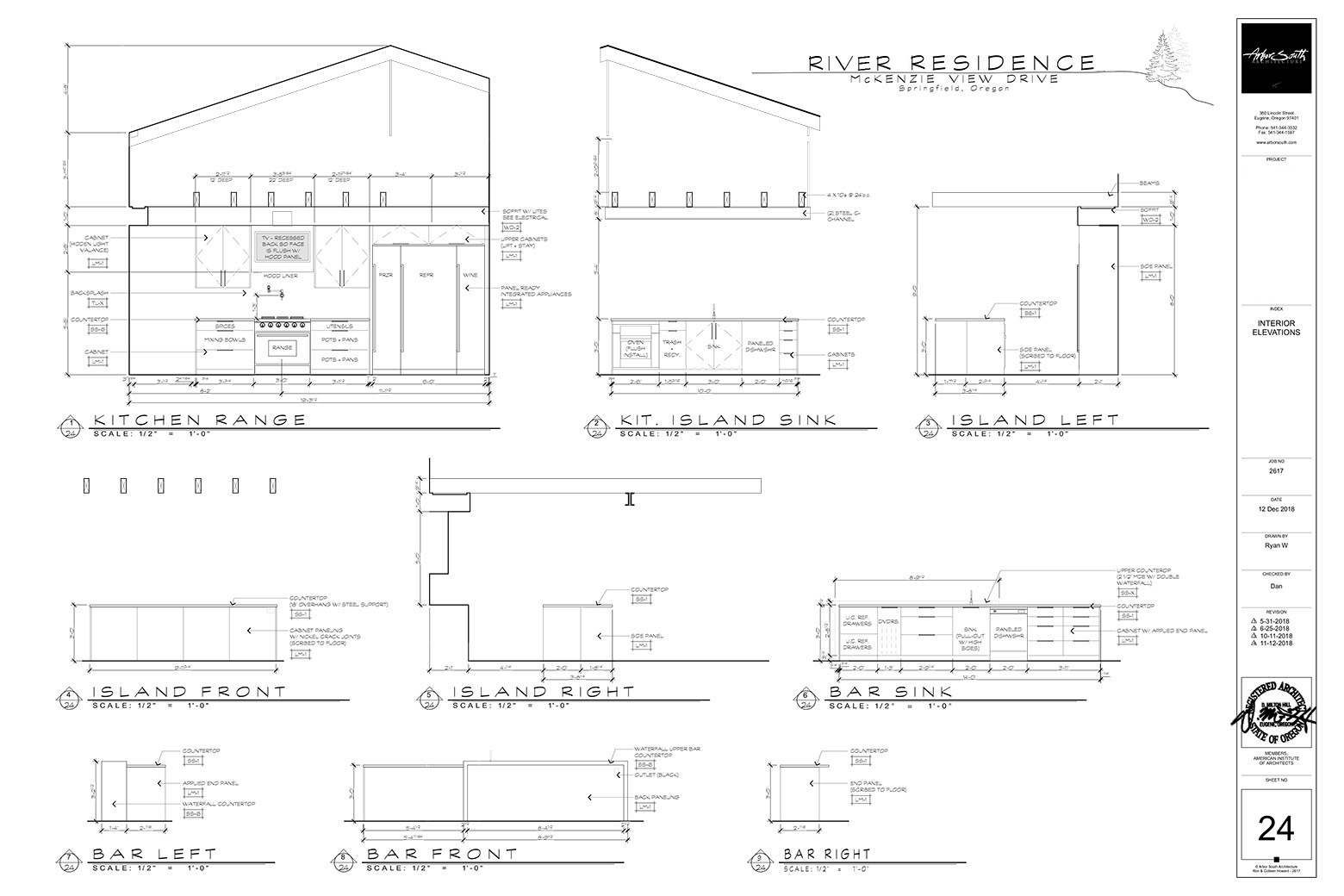
From initial schematic design through construction, we work alongside you to detail every aspect of your home - turning your favorite inspiration images from Pinterest and Houzz into thoughtful, budget-conscious realities. From baseboards and decorative beams to lighting fixtures and paint palettes, our team guides you through every design and material selection. We handle the finer details so nothing is left to chance in the field.
Landscaping
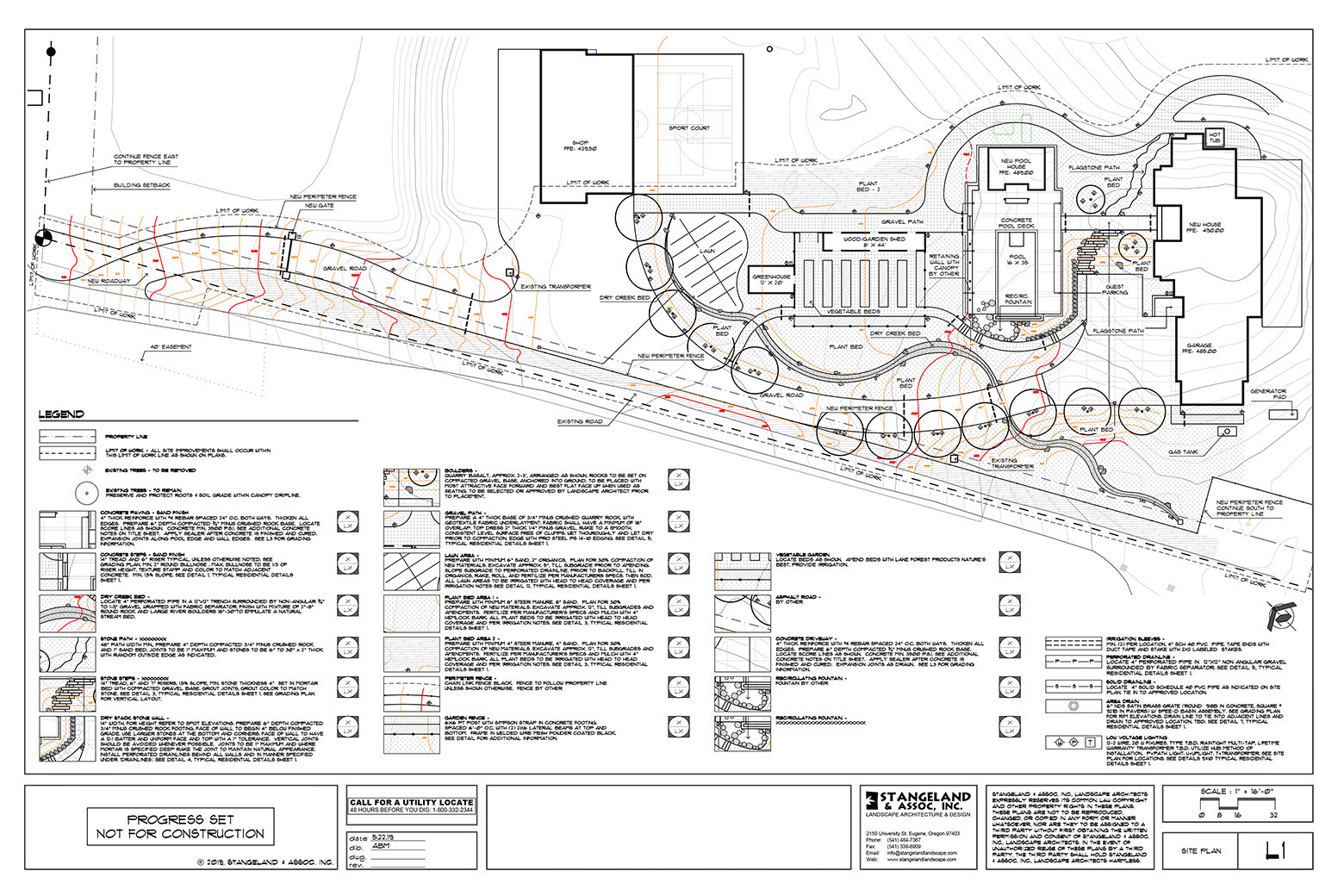
While not every project may warrant partnering with a landscape architect, this is the time to begin teaming up. The site informs the design of the building, and the landscaping truly brings a building site to life. The plans may not seem too colorful now, but trust us, it'll be blooming with color next spring!
Construction Documents
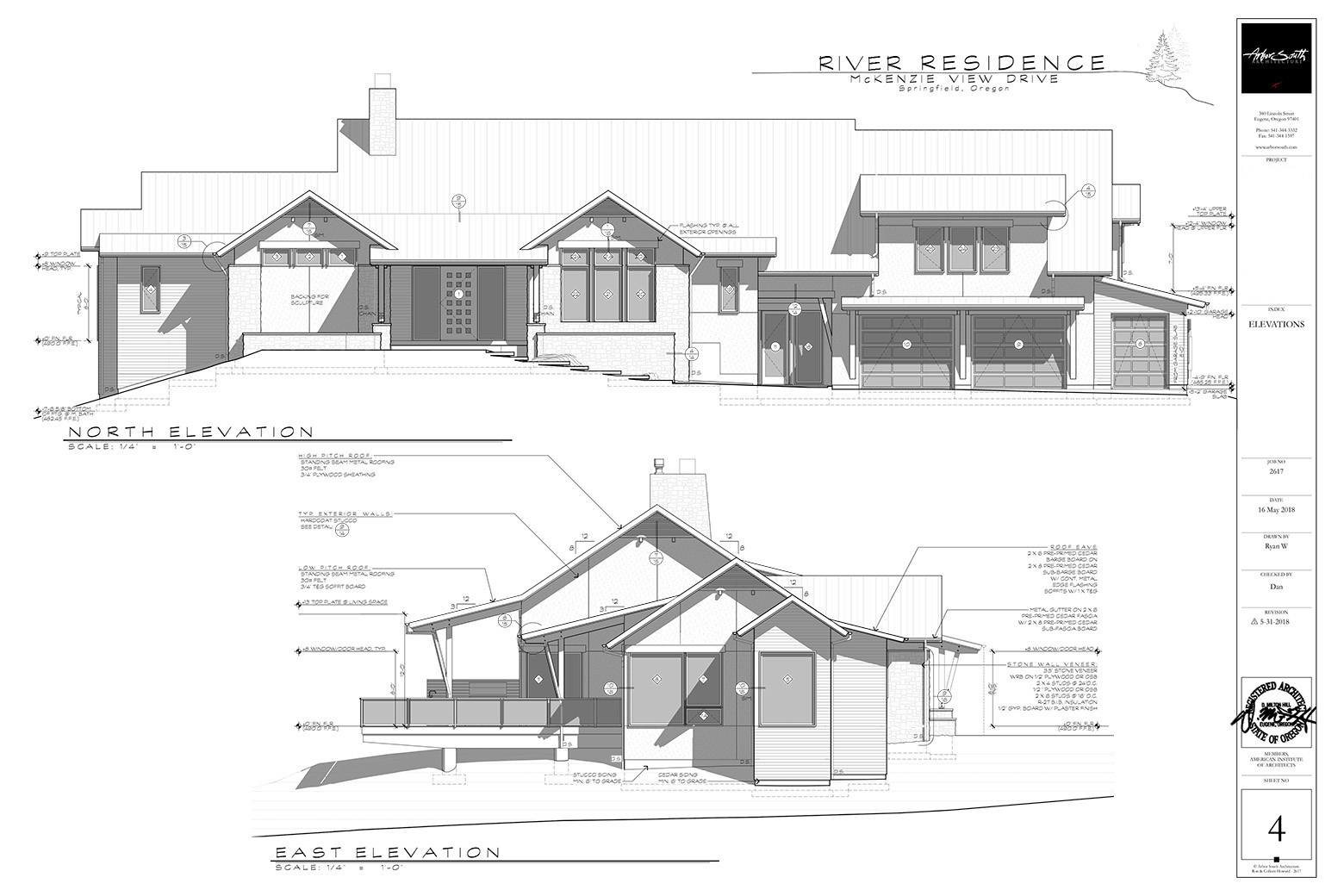
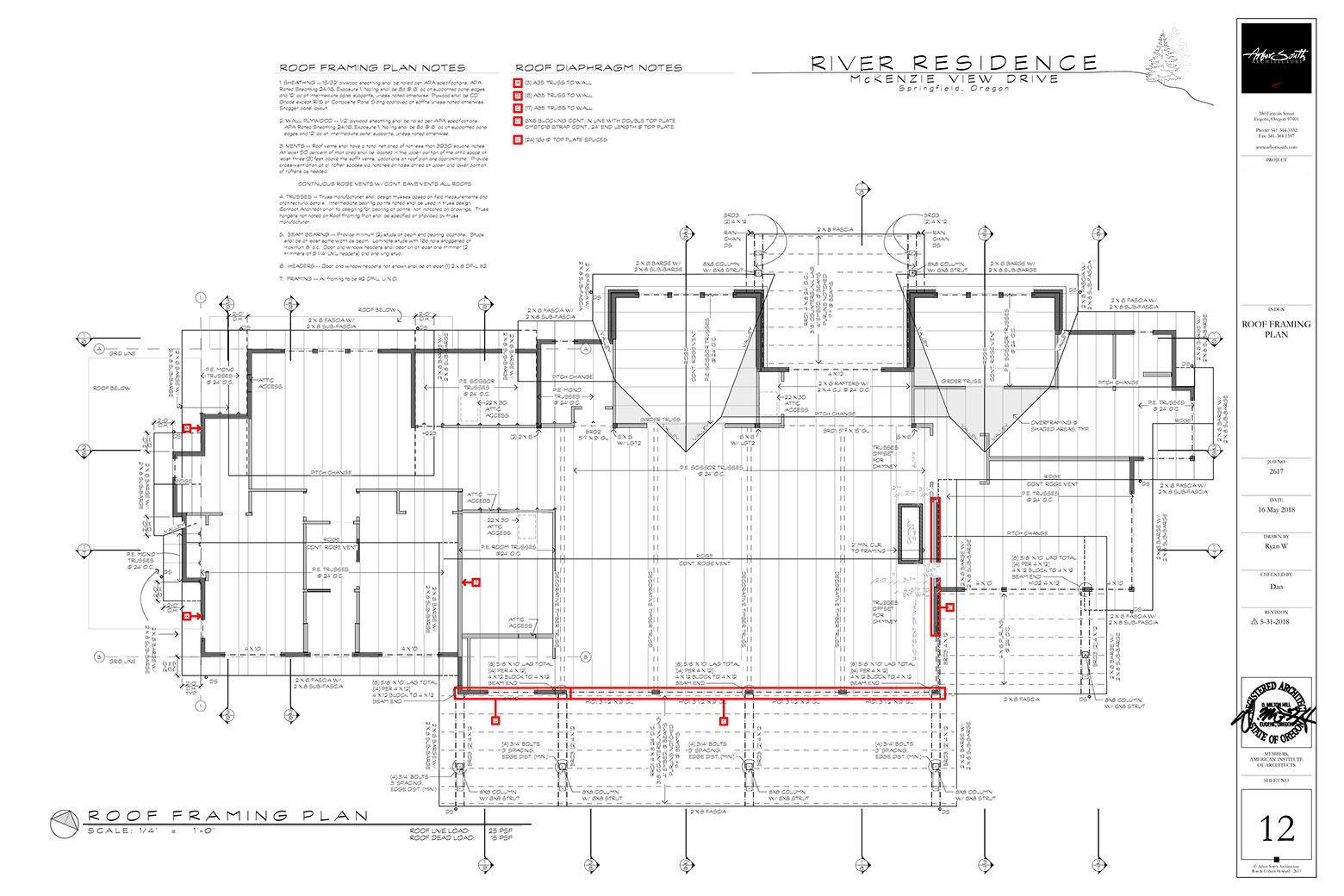
With design development finalized, we jump into the production phase. Building on the structural and mechanical considerations mapped out early in the process, we now produce detailed construction documents. Regardless of project scope, we prepare precise, comprehensive drawings ready for contractor bidding and local permit approval. We handle and coordinate the entire permitting process, taking the administrative stress off your shoulders so you can focus on the most exciting aspects of bringing your project to life.
Permitting / Approval
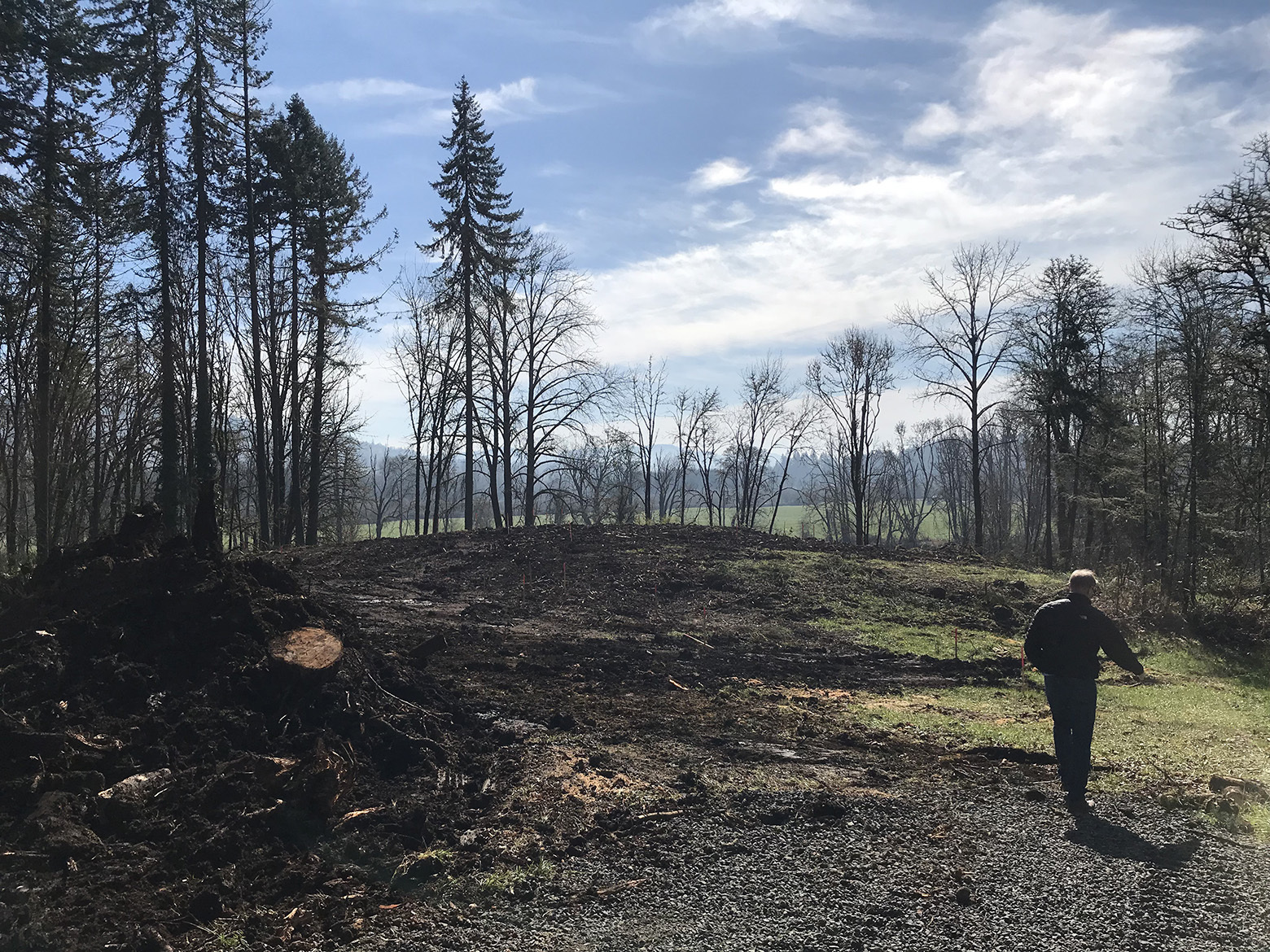
It's GO time! You've received a building permit and can begin construction! The lead times were long for the building department, but it's finally gone through and subcontractors are swarming your property. Depending on the time of year and the extent of your project, your contractor may have already been excavating the site and preparing for foundations. Once the permit rolled in, they could officially start to build.
Construction Administration
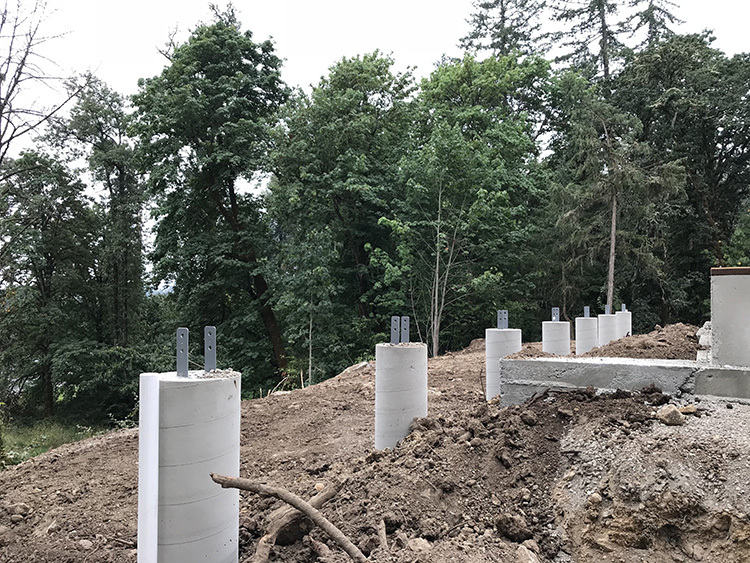
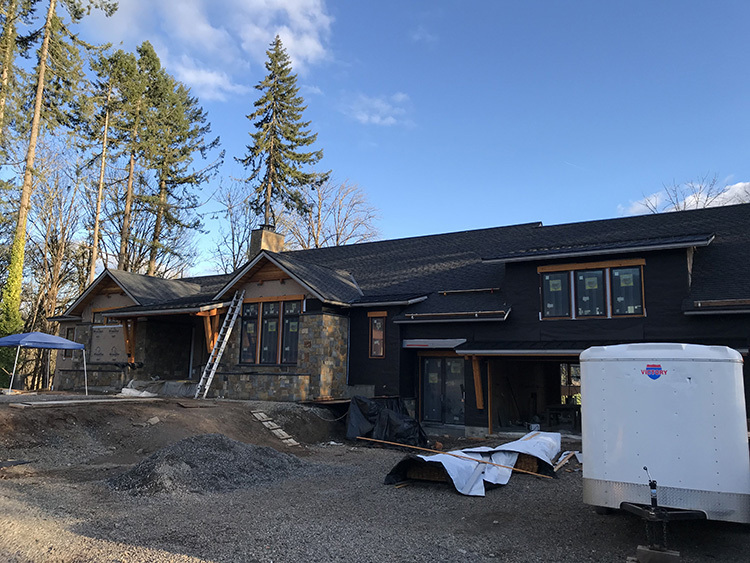
Dirt is being moved, concrete is being poured, and your project is now resembling those 3D images you've been seeing on the computer the past few months. But is that really the size of the guest bedroom? Is that beam really supposed to be that big? This is why we are now consistently meeting with you and the contractor on site. We review the progress of the project, answer any questions from you or the builder, and determine if the work is being performed in accordance with the construction documents.
Project Close Out
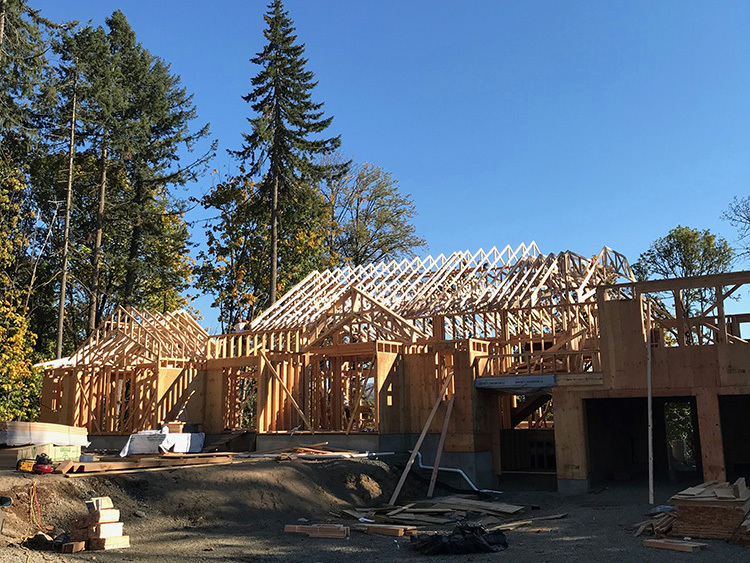
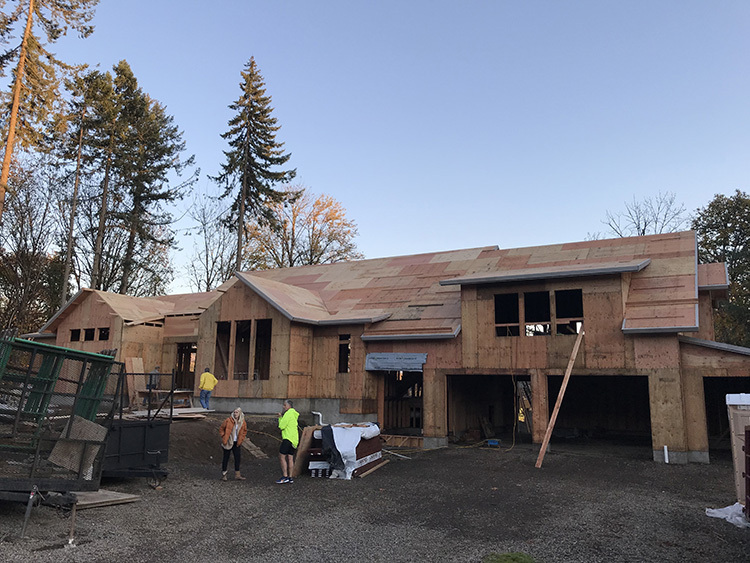
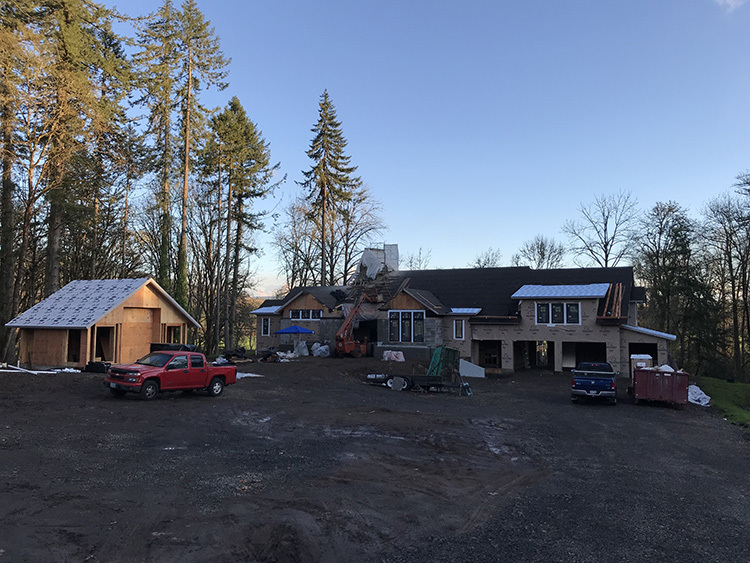
You've eagerly been waiting for the day the contractor gives you the keys, and it never feels quick enough. Ever since the drywall went up, it hasn't felt like much has changed, but hundreds of different details are being finalized from electrical and plumbing, to trim work and air sealing. We have conducted a final walk-through with the builder and given them a punch-list of items to touch up. And now the local jurisdiction has approved its final inspection; it's officially time to move in!
Photography
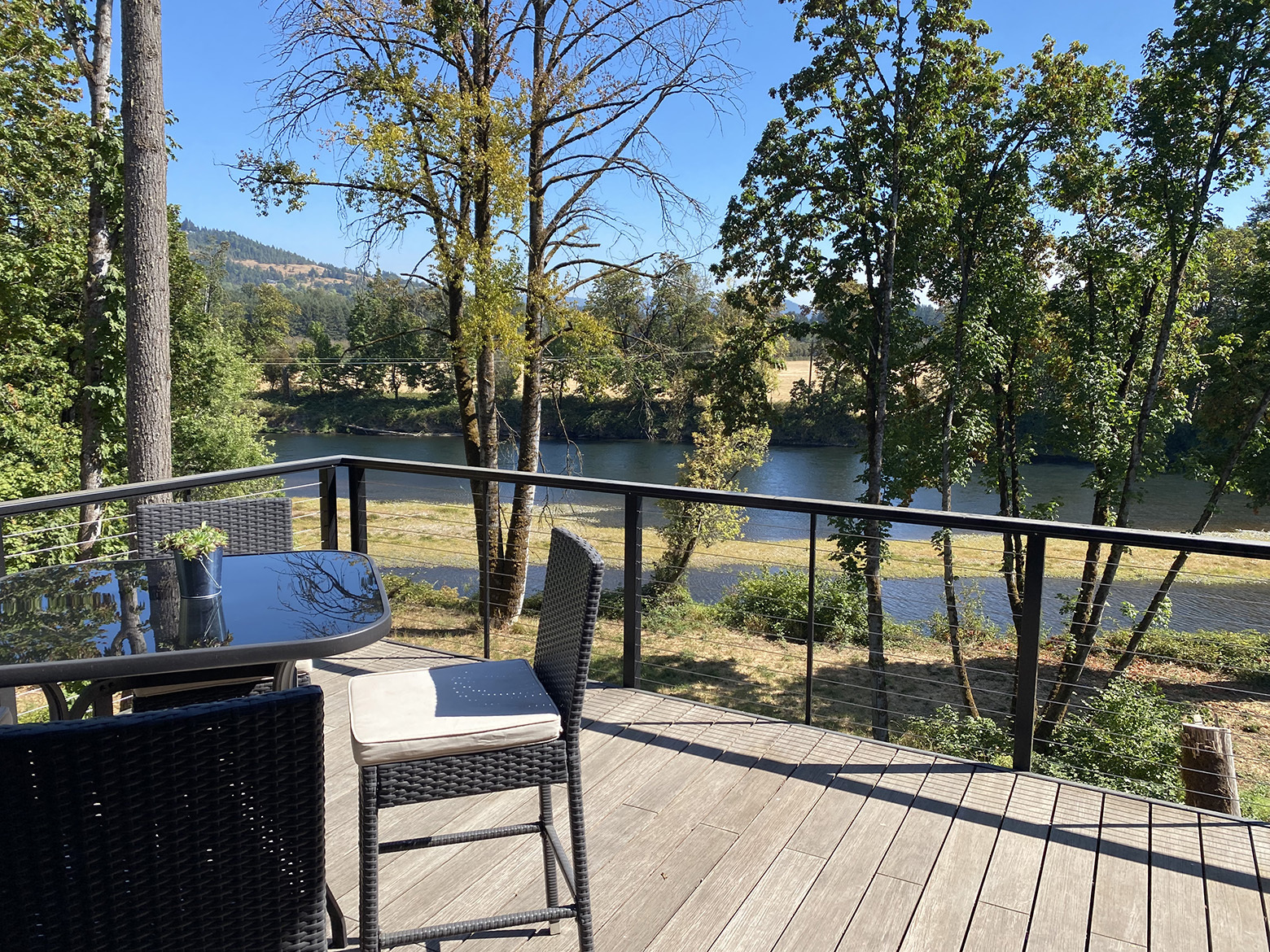
You've already been living in, working in, or renting out your project for a few months and the landscape is finally filling in. All of your furniture (finally!) has arrived and it's feeling even better than you had imagined. Now is the time to professionally document your project using an architectural photographer. What a wonderful project!
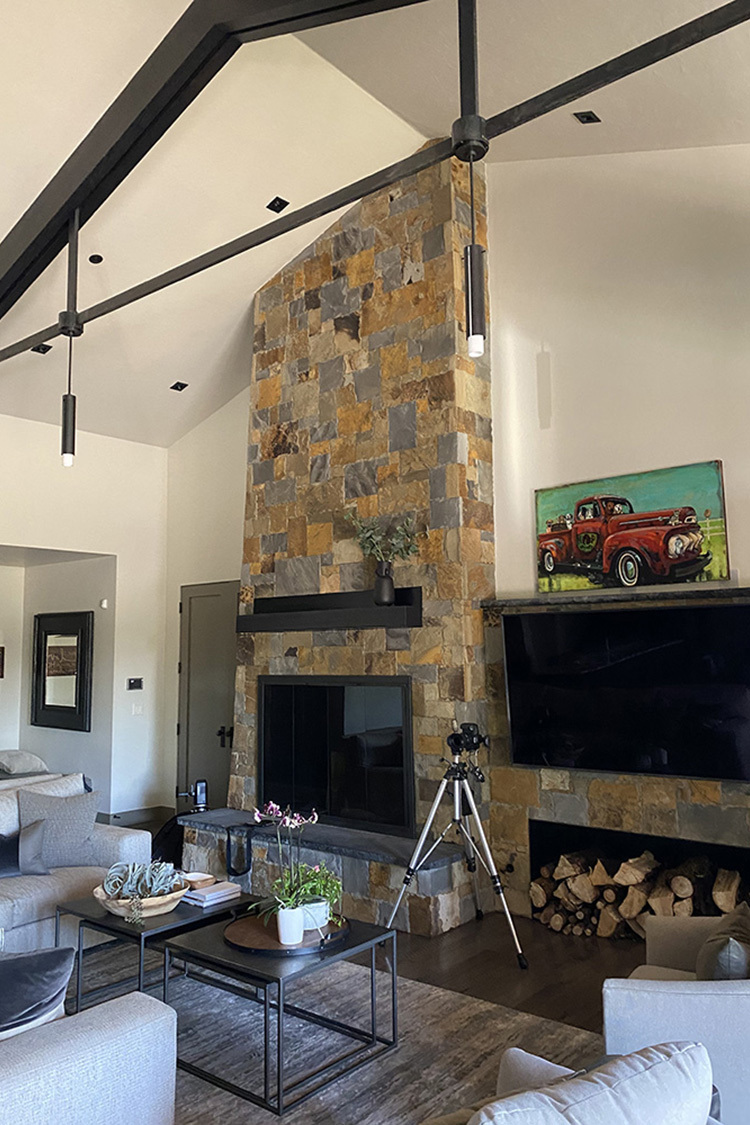
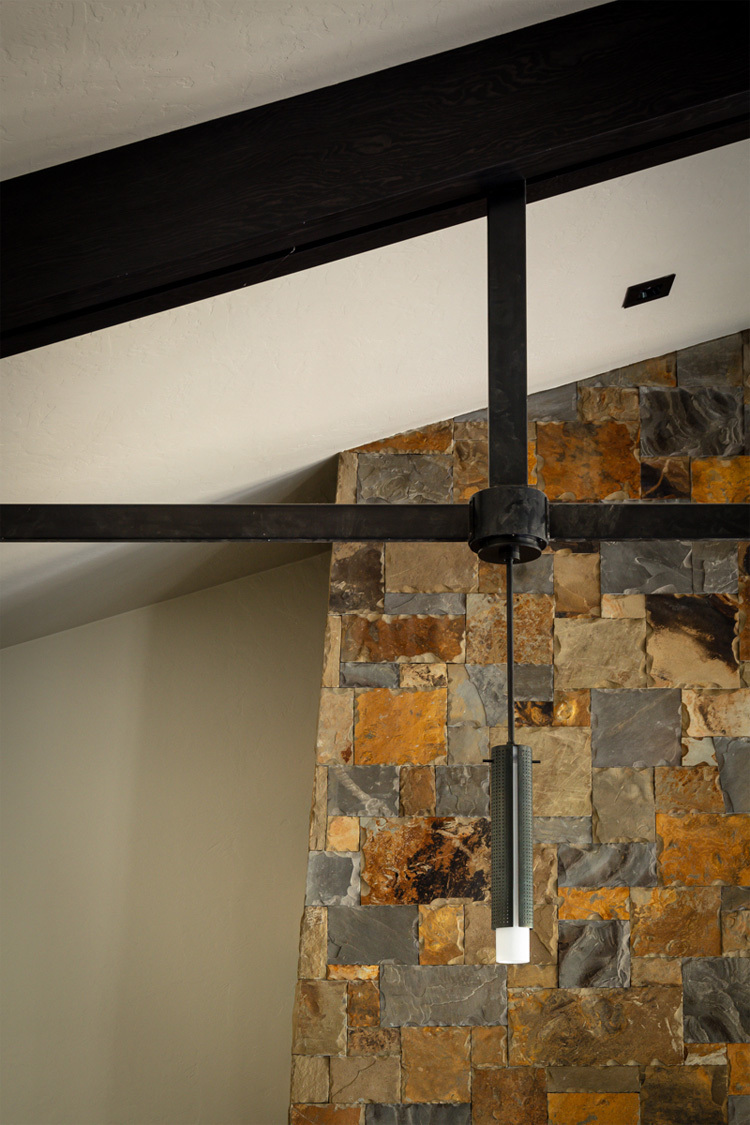
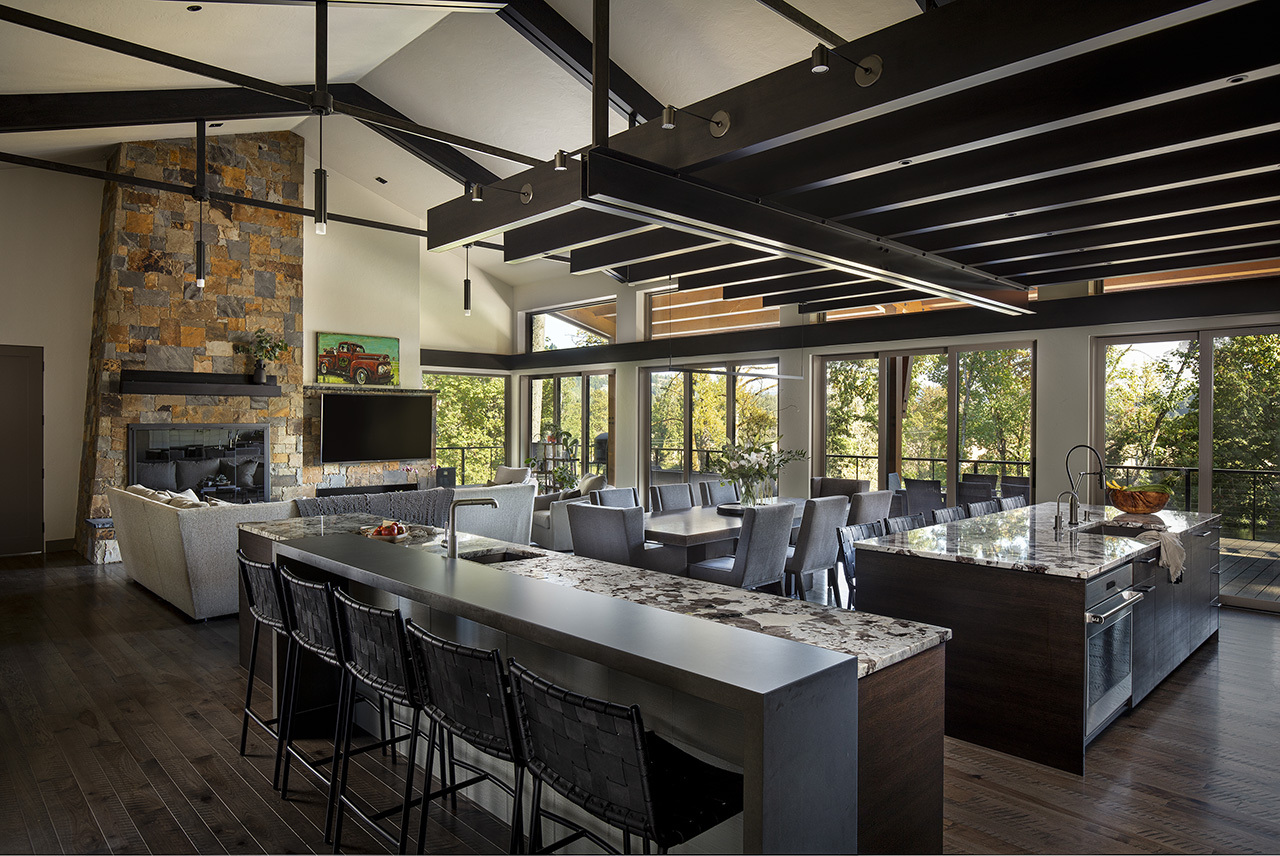
We hope that you were able to learn more about what it might look like to partner with us and that you have been inspired for your next project!
Click here to learn about next steps with us. And for more of this beautiful custom home on the McKenzie, click here!
If you've got more questions, check out the most frequently asked questions we address below.
Frequently Asked Questions
The process moves through several phases: pre-design and programming (clarifying goals, site analysis, and project scope), schematic design (initial concepts and massing), design development (refining the design and coordinating engineering systems), construction documents (the full permit and bid set), permitting and bidding assistance, and construction administration. At each phase, the team maintains clear communication, produces detailed cost estimates, and ensures clients are making informed decisions before moving forward. The firm advances a project only when the client is genuinely ready. The bottom line is we'll be by your side throughout the entire project.
Coordination with the construction team is a priority at every stage. Arbor South's team brings backgrounds in carpentry and construction management that inform how the firm designs, with an understanding of how drawings translate to the field. The team is known for producing clear, well-coordinated construction documents that reduce ambiguity during bidding and construction. During construction administration, the firm maintains a consistent site presence, responds quickly to RFIs, and approaches the contractor relationship as a collaborative partnership.
In 2025, Arbor South furthered its commitment to continuous improvement by engaging an independent consultant to gather structured client feedback at project completion, and through a formal 12-month post-occupancy survey that checks in on how the building and its systems are performing. Feedback from completed projects is used to refine processes, communication, and outcomes on subsequent work, including specific technical and coordination improvements incorporated from one building to the next. The firm views client feedback not as a formality but as a genuine source of accountability and growth.
Oregon's climate, landscape, building codes, and jurisdictional requirements vary meaningfully across the state. A firm rooted in Oregon for more than four decades brings familiarity with those variables, from permit timelines and approval processes to considerations under Oregon's statewide planning goals and design responses appropriate for the Willamette Valley, Oregon Coast and High Desert. That local knowledge improves both the quality of the design and the efficiency of the process, regardless of project type.
During construction, an architect's role shifts from designing the project to making sure it gets built the way it was intended, a phase often called construction administration. That includes regular site visits to observe progress and confirm the work matches the drawings, responding to contractor questions as they arise, reviewing product submittals and shop drawings, evaluating any proposed changes or substitutions, and walking the completed project with the owner and contractor before final sign-off. Arbor South stays closely involved through this phase rather than stepping back once permits are issued, so the finished building matches both the design intent and the client's expectations.
Permitting requirements and timelines vary significantly by jurisdiction, whether the project is a custom home, a nonprofit facility, a multi-family development, or a public building. Arbor South's project experience spans jurisdictions across Oregon, from Lane County and the Willamette Valley to Central Oregon and the Oregon Coast, each with its own review process, requirements, and pace. Rather than treating permitting as a hurdle to clear after design is finished, Arbor South meets with agencies having jurisdiction early in the process to understand their specific expectations and identify the smoothest path forward. That familiarity with jurisdictions across the state means clients get an accurate picture of what to expect before the process begins, regardless of project type or location.
A good first conversation should cover more than portfolio and price. Ask about their experience with projects similar in scope and site conditions to yours, how they structure fees and what's included at each phase, how they handle changes or unexpected costs once construction begins, who will be your primary point of contact throughout the project, and how closely they coordinate with the contractor during construction. Arbor South welcomes these questions in early conversations. Clients who ask them upfront tend to have a clearer sense of what to expect, and a stronger working relationship, once the project gets underway.
A contractor is often enough for straightforward projects: like-for-like replacements, simple repairs, or minor updates that don't change a structure's layout or systems. An architect becomes essential once a project involves new construction, high-end finishes, structural changes, additions, or a site with real complexity, slopes, tight lots, or a challenging jurisdiction. In those cases, an architect designs the project around how you actually want to use a space, coordinates the engineering and permitting that a contractor alone isn't set up to manage, and produces the drawings a contractor needs to bid and build accurately. Many of Arbor South's clients also find that having an architect and a general contractor working together, rather than either one alone, is what keeps a project on budget, on schedule, and produces the best result.
Budget is part of the conversation from the very first meeting, not something addressed only at the end. Early in the process, Arbor South helps translate a project's goals into a realistic cost range before significant design work begins, then keeps budget in view at each phase as design, material, and finish decisions are made. Because construction costs are shaped heavily by the jurisdiction, the complexity of the site, and the level of finishes chosen, this ongoing budgeting throughout the process is what keeps a project grounded and avoids surprises down the line.
An architect's role runs through the entire arc of a project, not just the drawing stage. From the first planning conversations through design, permitting, and construction, the architect coordinates the many moving pieces, engineering, jurisdictional requirements, budget, and the client's goals, into one coherent process. While not every project legally requires a licensed architect, that coordinating role is where the value shows up: fewer costly missteps, clearer decisions, and a build that goes more smoothly because the documentation and planning behind it are sound.
Design timelines vary with the size and complexity of a project, but the single biggest factor is the pace of decisions and feedback throughout the process. Timelines move fastest when input comes at the points where it is needed, and Arbor South's team stays ahead of this by flagging upcoming decisions early and explaining how each choice affects both schedule and budget. Understanding the phases, from programming through construction documents, helps set realistic expectations for how the process unfolds.